

Fractional Real Estate in India: A New Era for Young Investors
Discover how fractional real estate in India offers young professionals accessible, secure investments with high returns and flexibility.
If you're a salaried professional in India, August 2026 is probably the month you should stop ignoring fractional real estate. The regulatory fog has lifted, platforms like FraX are scaling fast, and it's gone from a niche experiment to a legit investment category. If you've been sitting on the sidelines, this is a good time to figure out why this shift matters.
Real estate has always promised stability, but the entry barriers kept most young earners locked out. Fractional ownership flips that by letting you own a slice of premium property instead of an entire building. The pitch is simple: get in early on a maturing asset class, or watch your friends build portfolios while you save up for a down payment.
What's actually different in 2026
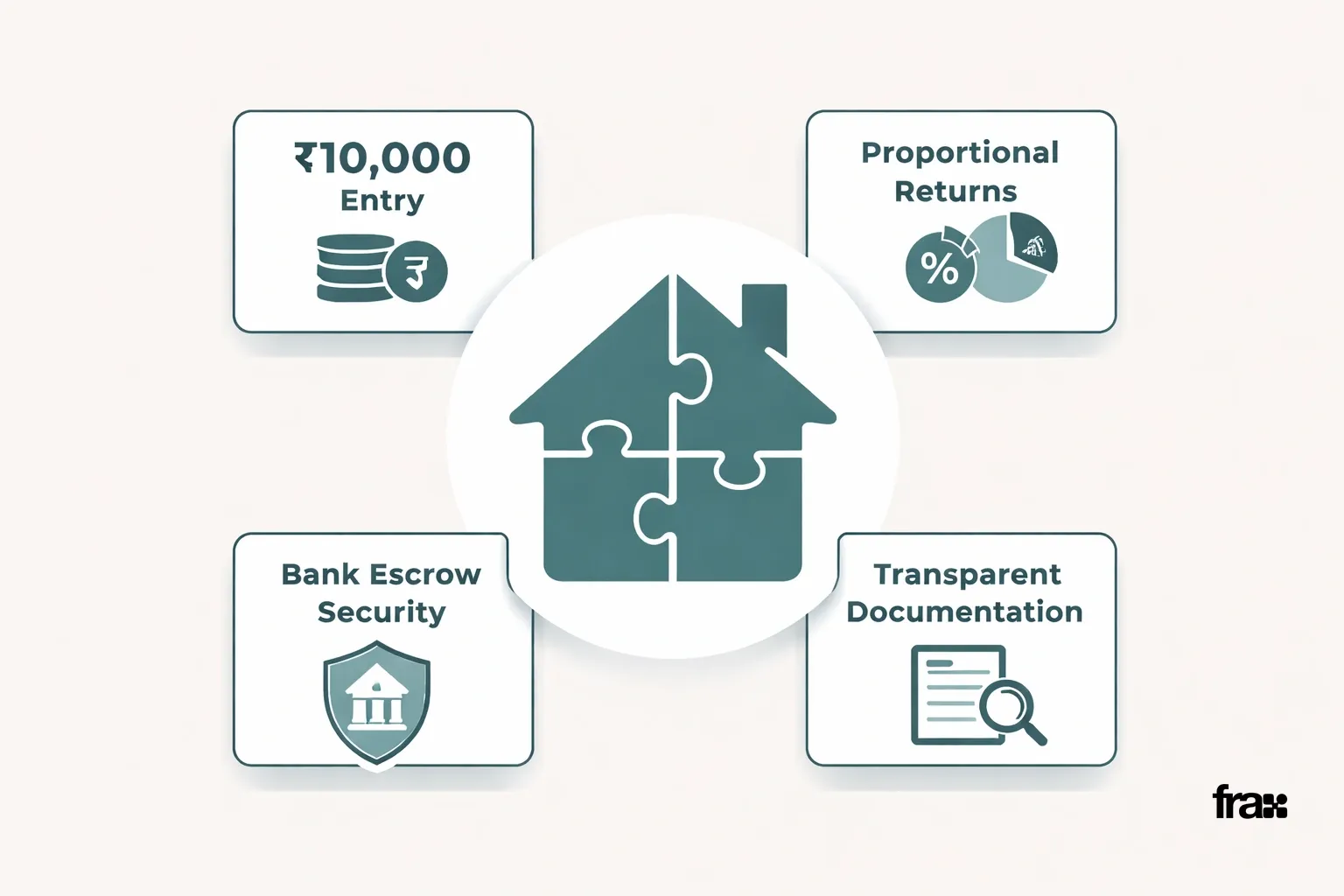
Fractional real estate lets multiple investors co-own a high-value property through legally structured shares. You don't need crores to buy a commercial space. You can start with ₹10,000. You get a proportional claim to rental income and capital appreciation, backed by actual documentation.
This model has evolved a lot over the past two years. Earlier versions relied on informal agreements and unclear exit mechanisms, which made people nervous. Today's platforms use structured escrow systems, often through banks like ICICI, so transactions stay transparent and secure. FraX built its entire framework around this trust layer, which you can explore on their homepage.
Then there's the liquidity piece. Traditional real estate could trap your money for years. Now, platforms offer "buy and sell anytime" functionality. That single feature has changed how people think about this asset class more than anything else.
Why this is blowing up with under-35s
Young professionals earning ₹15–20 lakh annually are the fastest-growing segment here. 80% of FraX users are under 35. This makes sense when you look at how inaccessible traditional real estate has been for this bracket.
Do the math. A well-located commercial property in a metro city can easily cost ₹5-10 crore. If you're earning ₹18 lakh, that's an impossible stretch. Fractional ownership removes that ceiling. You don't need to qualify for a massive loan or deal with brokers.
There's also a lifestyle factor. This generation values flexibility over rigid, long-term commitments. Owning fractional shares means you're not locked into a single illiquid asset for a decade. You can diversify across properties, cities, and asset types. The blog on how young professionals with ₹15-20 lakh salaries can access premium real estate breaks this down further.
Here's how it breaks down compared to buying a house the old way:
Factor | Traditional Real Estate | Fractional Real Estate |
|---|---|---|
Minimum Investment | ₹50 Lakh+ | ₹10,000 |
Liquidity | Low, months to sell | High, digital exits |
Paperwork | Extensive, manual | Digital, streamlined |
Diversification | Difficult, single asset | Easy, multiple properties |
Broker Dependency | High | Minimal to none |
Start Your Fractional Real Estate Journey Today
The security question everyone asks
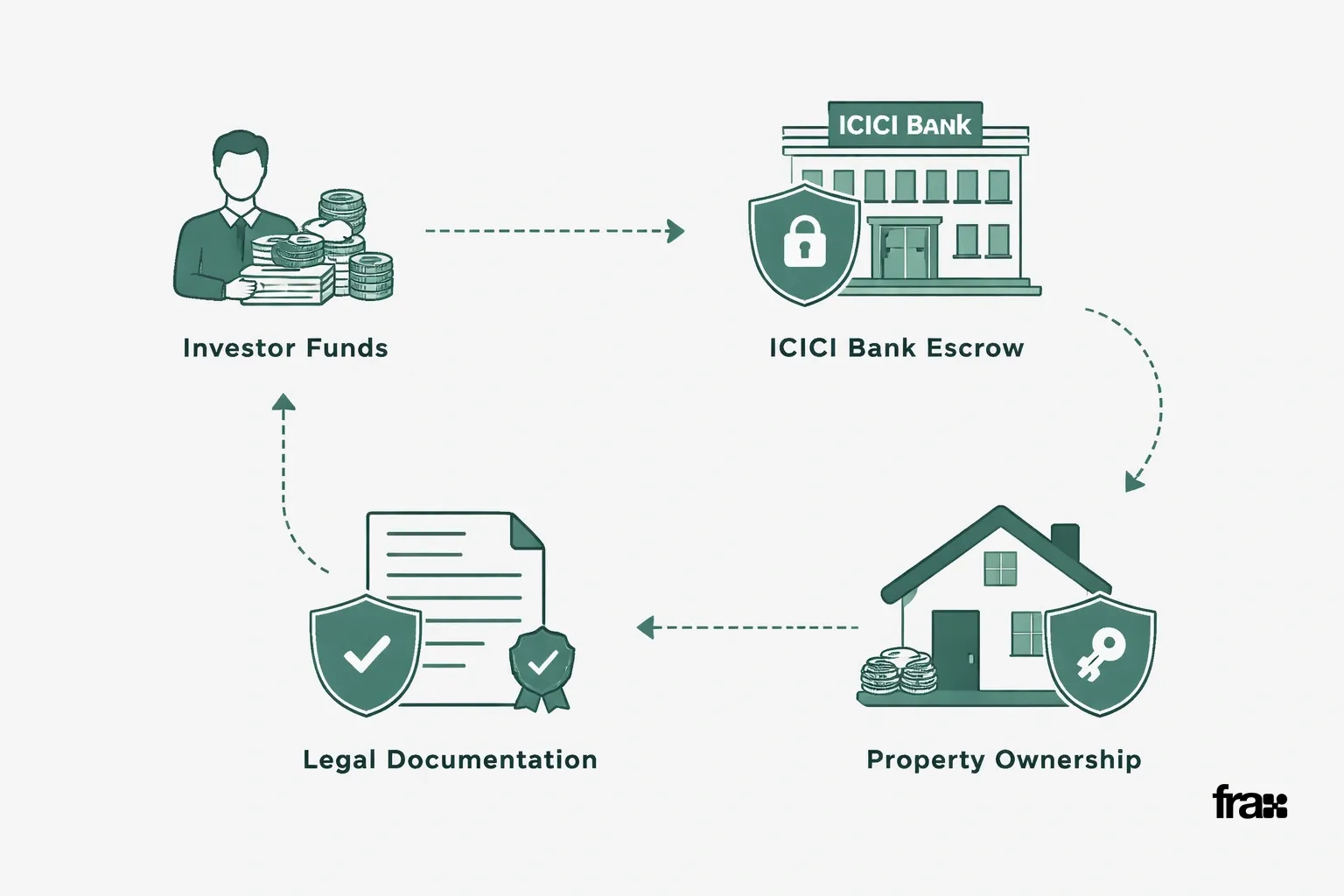
Security is the top concern for anyone new to this. People want to know their money is protected and that legal structures hold up. Modern platforms address this through bank-backed escrow accounts and clear legal documentation, which minimizes the risks that plagued earlier models.
FraX uses ICICI Bank escrow mechanisms for every transaction. Your funds aren't sitting with an unregulated third party; they're moving through a trusted banking infrastructure. Legal documentation accompanies every fractional purchase, giving you the same paper trail you'd expect from a full property purchase.
Trust doesn't happen overnight, though. It's built through consistent transparency, which is why platforms publish detailed breakdowns of how investor money is safeguarded. The article on how FraX safeguards investor money at every stage walks through the exact mechanisms involved, from onboarding to exit.
You still need to do your homework. Look for escrow-backed transactions through reputable banks, clear legal titles, transparent fee structures, and a track record of successful exits.
Let's talk about the returns
Returns in fractional real estate can hit up to 92% over a five-year holding period, depending on property location and market conditions. That figure combines rental yield and capital appreciation. It's a compelling number, but context matters more than the headline.
Real estate returns aren't guaranteed, and fractional ownership doesn't change that. What it does change is your ability to spread risk across multiple properties instead of betting everything on one asset. This diversification strategy is explored extensively in the piece on fractional real estate diversification.
Think about portfolio stability here. If one property underperforms due to local market conditions, your other holdings can offset that dip. This is fundamentally different from owning a single flat where your entire investment rides on one location's fortunes. The concept gets a deeper treatment in the portfolio stability guide.
How this differs from REITs
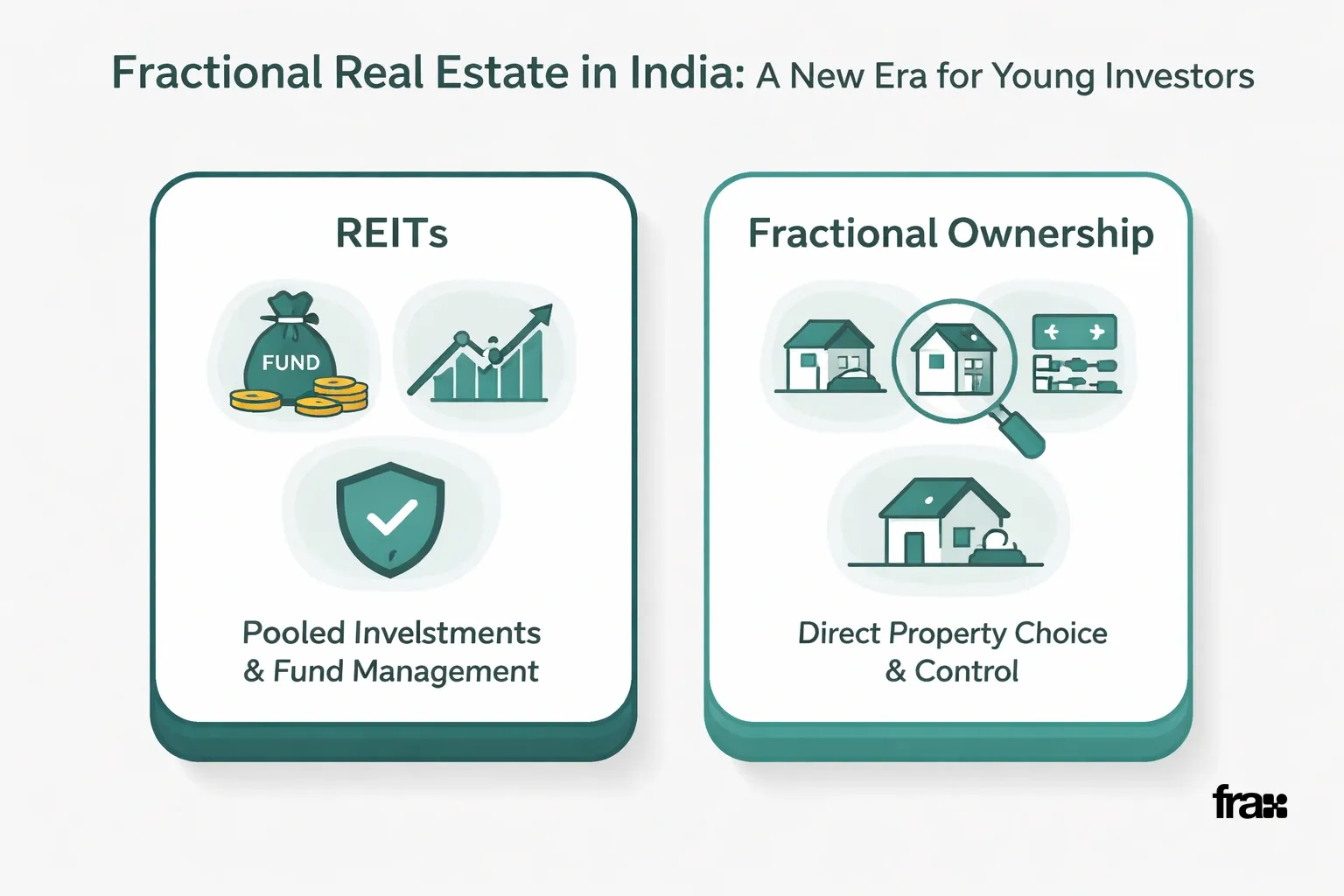
REITs and fractional real estate often get lumped together, but they work differently. REITs pool money into a fund that owns multiple properties, and investors buy fund units traded like stocks. Fractional ownership lets you directly co-own specific properties, giving you more control over which assets you're invested in.
Both models offer liquidity and lower entry barriers compared to direct property ownership. The key difference is specificity. With REITs, you're trusting a fund manager's portfolio strategy. With fractional platforms, you're choosing individual properties based on your own research.
For investors who want granular control, like picking a commercial property in Bangalore over a residential unit in Pune, fractional ownership offers that flexibility. The detailed comparison in which is the best way to invest in real estate covers this extensively.
Explore Premium Properties on FraX Now
Getting started without overthinking it
Getting started doesn't require prior investment experience or deep market knowledge. Platforms like FraX simplify the process into a few digital steps: sign up, browse curated properties, invest a chosen amount, and track performance through a dashboard. The entire journey happens online without brokers or paperwork delays.
First-time investors often worry about picking the "wrong" property. That anxiety fades when you realize fractional investing allows small test allocations. You don't need to commit your entire budget to one property upfront. Start small, observe performance, then scale up as your confidence grows.
For a structured walkthrough, the step-by-step beginner's guide covers everything from account setup to your first exit. Pairing that with the beginner's glossary helps you navigate industry terminology without confusion.
It's also worth understanding the risk side before diving in. Every investment carries uncertainty, and fractional real estate is no exception. The risk and reward guide offers a balanced view rather than just promoting upside potential.
Where this goes from here
By 2026, fractional real estate is just a standard wealth-building tool, not a trendy alternative. As more salaried professionals recognize the accessibility this model offers, adoption will likely accelerate further. The infrastructure, including escrow security, legal frameworks, and digital liquidity, has matured enough to support serious, long-term investment strategies.
Traditional real estate's barriers were mostly just outdated processes. Fractional ownership strips those out but keeps the actual value: real assets, rent, and appreciation. Whether you make ₹15 lakh or ₹50 lakh, accessibility matters more than your bank balance right now. Platforms built for transparency are making that actionable for an entire generation of investors who were previously priced out.
Frequently asked questions
What is the minimum amount needed to start investing in fractional real estate?
With platforms like FraX, you can start investing with as little as ₹10,000, making premium real estate accessible without needing large capital upfront.
Is fractional real estate investment legally secure in India?
Yes, if you use the right platforms. Look for proper legal documentation and bank-backed escrow mechanisms, like ICICI Bank escrow accounts.
Can I sell my fractional real estate investment whenever I want?
Most modern platforms offer a "buy and sell anytime" model. You can exit digitally without the traditional lock-in periods associated with conventional real estate.
How are returns generated in fractional real estate investments?
Returns come from two places: rental income distributed among investors and capital appreciation of the property over time.
What's the difference between fractional real estate and REITs?
REITs pool your money into a fund managing multiple properties. Fractional ownership lets you directly co-own specific properties you choose.
Who should consider investing in fractional real estate?
It's great for young professionals, especially those earning ₹15-20 lakh annually who find traditional real estate inaccessible. You get the lower entry barriers and diversification without needing a massive loan.
Learn more
Discover more from the latest posts.


